Peanuts - Blanched - 25/29
Bulk Blanched Peanuts 5-50lb at Wholesale Price - Canada-Wide Delivery
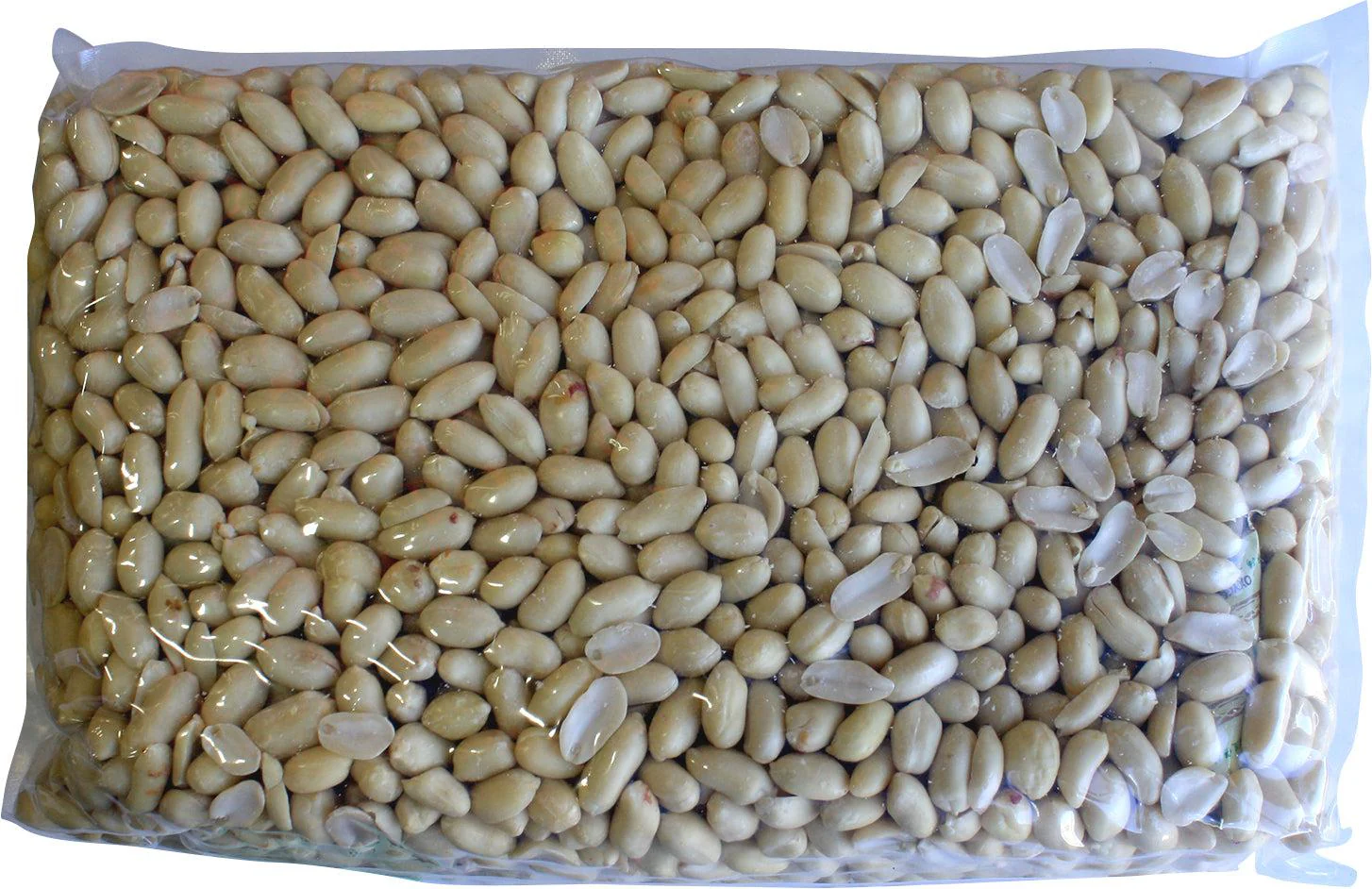
Blanched peanuts 25/29 are raw, skinless peanut kernels available in various bulk quantities for commercial foodservice and manufacturing operations. The 25/29 designation indicates the approximate count of peanuts per ounce, representing a medium-sized peanut grade. Available for delivery across Canada.
Common Commercial Applications
Restaurants, bakeries, confectionery manufacturers, and food production facilities use blanched peanuts as ingredients in prepared foods, baked goods, and menu items. The blanching process removes the thin reddish-brown skin, leaving clean, pale kernels suitable for applications where appearance and flavour consistency matter.
Typical users include:
- Commercial bakeries producing cookies, brownies, and pastries
- Confectionery manufacturers making peanut brittle, pralines, and candy
- Restaurants preparing satay sauces, Asian-inspired dishes, and garnishes
- Catering operations requiring bulk ingredients for event preparation
- Food trucks and mobile vendors using peanuts in signature menu items
- Cafes and coffee shops offering peanut-based beverages and snacks
- Snack food manufacturers and co-packers
- Ice cream and frozen dessert producers
- Retail food operations with in-house production
- Institutional kitchens in schools, hospitals, and corporate facilities
Product Specifications and Characteristics
Size grade designation:
- 25/29 count: Approximately 25-29 peanuts per ounce
- Medium-sized peanut kernels
- Consistent sizing for uniform appearance and cooking
Product characteristics:
- Raw, blanched peanuts with skins removed
- Pale ivory to light tan colour
- No added salt, oil, or seasonings
- Split kernels (peanuts separated into halves) are common
- Natural peanut flavour without roasted notes
Packaging options:
- 1 lb bags for smaller operations or recipe testing
- 5 lb cases for moderate-volume users
- 25 lb cases for regular commercial use
- 50 lb cases for high-volume operations or manufacturing
Blanched vs. Unblanched Peanuts
Understanding the blanching process helps in product selection:
Blanched peanuts (this product):
- Outer skin removed through blanching process
- Smoother texture and appearance
- Lighter colour in finished products
- Milder, cleaner flavour profile
- Preferred for confections and baking where appearance matters
Unblanched (natural) peanuts:
- Reddish-brown skin intact
- More rustic appearance
- Slightly more pronounced peanut flavour
- May add colour variation to finished products
- Often used in applications where skin is acceptable
Culinary and Manufacturing Uses
Blanched peanuts serve diverse commercial applications:
Baking applications:
- Cookies, brownies, and bars
- Cakes and muffins
- Pie fillings and toppings
- Granola and energy bars
- Biscotti and specialty breads
Confectionery production:
- Peanut brittle and toffee
- Chocolate-covered peanuts
- Pralines and nut clusters
- Caramel-peanut combinations
- Nougat and candy bars
Savoury preparations:
- Peanut sauces and satay
- Asian-inspired stir-fries
- Noodle dishes and pad thai
- Salad toppings and garnishes
- Coating and crust ingredients
Manufactured products:
- Peanut butter production (commercial or in-house)
- Trail mixes and snack blends
- Granola and cereal products
- Ice cream mix-ins and toppings
- Prepared food components
Roasting and Processing Considerations
Raw blanched peanuts require roasting or cooking before consumption:
Roasting methods:
- Oven roasting (325-350°F / 165-175°C for 15-20 minutes)
- Stovetop pan roasting with stirring
- Deep frying for specific applications
- Roasting times vary by method and desired darkness
Processing options:
- Chopping or grinding for recipe integration
- Whole kernels for visibility in finished products
- Processing into peanut butter or paste
- Coating with chocolate, caramel, or seasonings
Storage and Handling
Proper storage maintains peanut quality and prevents rancidity:
- Store in cool, dry locations away from moisture and heat
- Keep sealed in original packaging or airtight containers after opening
- Refrigeration or freezer storage extends shelf life, particularly for opened packages
- Protect from strong odours as peanuts can absorb scents
- Implement first-in, first-out rotation practices
- Monitor for any off-odours or rancid smell
- Avoid exposure to direct sunlight
Handling considerations:
- Raw peanuts require cooking before consumption
- Cross-contamination protocols essential for allergen management
- Dedicated equipment recommended for operations serving nut-free items
- Staff training on allergen handling and disclosure
Allergen Management
Peanuts are a major allergen requiring careful handling:
Operational protocols:
- Separate storage from allergen-free ingredients
- Dedicated preparation equipment where possible
- Clear labelling on packaging and finished products
- Staff training on cross-contact prevention
- Customer communication through menu labelling
- Cleaning protocols between production runs
Packaging Size Selection
1 lb bags:
- Suitable for small-scale operations or recipe testing
- Easier inventory rotation
- Lower initial investment
- Good for operations with limited storage
5 lb cases:
- Moderate-volume users
- Balance between cost and storage
- Regular ordering for consistent freshness
25 lb cases:
- High-volume commercial operations
- Cost-effective for regular production
- Standard size for many food manufacturers
- Requires adequate storage space
50 lb cases:
- Manufacturing and industrial operations
- Maximum bulk pricing efficiency
- Appropriate for large-scale production
- Significant storage and handling capacity needed
Frequently Asked Questions
1. What does 25/29 count mean?
The 25/29 designation indicates there are approximately 25 to 29 peanut kernels per ounce. This represents a medium-sized peanut. Lower counts (like 20/24) indicate larger peanuts, while higher counts indicate smaller sizes.
2. Are these peanuts roasted?
No, these are raw blanched peanuts. They require roasting or cooking before consumption. Raw peanuts are preferred by operations that roast in-house for freshness or use them in baked goods where they cook during the baking process.
3. What is the shelf life of blanched peanuts?
Shelf life varies based on storage conditions. In cool, dry storage, unopened packages typically maintain quality for 6-12 months. Refrigeration or freezing extends shelf life. Opened packages should be resealed and used more quickly, as exposure to air accelerates potential rancidity.
4. Can these peanuts be eaten raw?
Raw peanuts should be cooked or roasted before consumption. They are safe to eat raw from a food safety perspective, but the flavour and texture are significantly improved through roasting or cooking.
5. Are blanched peanuts the same as boiled peanuts?
No. Blanched peanuts have had their skins removed through a blanching (brief heating) process but remain raw. Boiled peanuts are a separate preparation method involving cooking raw, in-shell peanuts in seasoned water.
6. How do I roast blanched peanuts for use in recipes?
Spread peanuts in a single layer on a baking sheet. Roast at 325-350°F (165-175°C) for 15-20 minutes, stirring occasionally, until golden and fragrant. Roasting times vary based on desired darkness and oven characteristics. Allow to cool before use.
7. Can I make peanut butter from these blanched peanuts?
Yes, blanched roasted peanuts can be processed into peanut butter using a food processor or commercial nut butter grinder. Roast the peanuts first, then process until desired consistency is reached, adding oil if needed for smooth texture.
8. What's the difference between split and whole peanut kernels?
Peanuts naturally grow as two kernels within a shell. Split kernels are separated halves, while whole kernels remain joined. Both are functionally similar in recipes. Blanched peanuts commonly include a mix of splits and wholes.
9. How should I handle peanuts to prevent allergen cross-contact?
Use dedicated equipment and utensils when possible. Store peanuts separately from other ingredients. Clean all surfaces thoroughly between production runs. Train staff on allergen protocols. Clearly label products containing peanuts.
10. What's the best way to chop or process these peanuts?
For small quantities, use a sharp knife on a cutting board. For larger volumes, food processors work efficiently. Pulse rather than continuous processing to control texture. For very fine grinding, specialized nut grinders provide consistent results.
Businesses purchasing blanched peanuts 25/29 should evaluate typical usage volume, available storage conditions, and allergen management protocols. The range of packaging sizes accommodates operations from small cafes to large-scale manufacturers. Understanding raw product handling, establishing proper storage practices, and implementing allergen controls helps maintain product quality and operational safety across Canadian foodservice and manufacturing operations.
Bulk Blanched Peanuts 5-50lb at Wholesale Price - Canada-Wide Delivery
Blanched peanuts 25/29 are raw, skinless peanut kernels available in various bulk quantities for commercial foodservice and manufacturing operations. The 25/29 designation indicates the approximate count of peanuts per ounce, representing a medium-sized peanut grade. Available for delivery across Canada.
Common Commercial Applications
Restaurants, bakeries, confectionery manufacturers, and food production facilities use blanched peanuts as ingredients in prepared foods, baked goods, and menu items. The blanching process removes the thin reddish-brown skin, leaving clean, pale kernels suitable for applications where appearance and flavour consistency matter.
Typical users include:
- Commercial bakeries producing cookies, brownies, and pastries
- Confectionery manufacturers making peanut brittle, pralines, and candy
- Restaurants preparing satay sauces, Asian-inspired dishes, and garnishes
- Catering operations requiring bulk ingredients for event preparation
- Food trucks and mobile vendors using peanuts in signature menu items
- Cafes and coffee shops offering peanut-based beverages and snacks
- Snack food manufacturers and co-packers
- Ice cream and frozen dessert producers
- Retail food operations with in-house production
- Institutional kitchens in schools, hospitals, and corporate facilities
Product Specifications and Characteristics
Size grade designation:
- 25/29 count: Approximately 25-29 peanuts per ounce
- Medium-sized peanut kernels
- Consistent sizing for uniform appearance and cooking
Product characteristics:
- Raw, blanched peanuts with skins removed
- Pale ivory to light tan colour
- No added salt, oil, or seasonings
- Split kernels (peanuts separated into halves) are common
- Natural peanut flavour without roasted notes
Packaging options:
- 1 lb bags for smaller operations or recipe testing
- 5 lb cases for moderate-volume users
- 25 lb cases for regular commercial use
- 50 lb cases for high-volume operations or manufacturing
Blanched vs. Unblanched Peanuts
Understanding the blanching process helps in product selection:
Blanched peanuts (this product):
- Outer skin removed through blanching process
- Smoother texture and appearance
- Lighter colour in finished products
- Milder, cleaner flavour profile
- Preferred for confections and baking where appearance matters
Unblanched (natural) peanuts:
- Reddish-brown skin intact
- More rustic appearance
- Slightly more pronounced peanut flavour
- May add colour variation to finished products
- Often used in applications where skin is acceptable
Culinary and Manufacturing Uses
Blanched peanuts serve diverse commercial applications:
Baking applications:
- Cookies, brownies, and bars
- Cakes and muffins
- Pie fillings and toppings
- Granola and energy bars
- Biscotti and specialty breads
Confectionery production:
- Peanut brittle and toffee
- Chocolate-covered peanuts
- Pralines and nut clusters
- Caramel-peanut combinations
- Nougat and candy bars
Savoury preparations:
- Peanut sauces and satay
- Asian-inspired stir-fries
- Noodle dishes and pad thai
- Salad toppings and garnishes
- Coating and crust ingredients
Manufactured products:
- Peanut butter production (commercial or in-house)
- Trail mixes and snack blends
- Granola and cereal products
- Ice cream mix-ins and toppings
- Prepared food components
Roasting and Processing Considerations
Raw blanched peanuts require roasting or cooking before consumption:
Roasting methods:
- Oven roasting (325-350°F / 165-175°C for 15-20 minutes)
- Stovetop pan roasting with stirring
- Deep frying for specific applications
- Roasting times vary by method and desired darkness
Processing options:
- Chopping or grinding for recipe integration
- Whole kernels for visibility in finished products
- Processing into peanut butter or paste
- Coating with chocolate, caramel, or seasonings
Storage and Handling
Proper storage maintains peanut quality and prevents rancidity:
- Store in cool, dry locations away from moisture and heat
- Keep sealed in original packaging or airtight containers after opening
- Refrigeration or freezer storage extends shelf life, particularly for opened packages
- Protect from strong odours as peanuts can absorb scents
- Implement first-in, first-out rotation practices
- Monitor for any off-odours or rancid smell
- Avoid exposure to direct sunlight
Handling considerations:
- Raw peanuts require cooking before consumption
- Cross-contamination protocols essential for allergen management
- Dedicated equipment recommended for operations serving nut-free items
- Staff training on allergen handling and disclosure
Allergen Management
Peanuts are a major allergen requiring careful handling:
Operational protocols:
- Separate storage from allergen-free ingredients
- Dedicated preparation equipment where possible
- Clear labelling on packaging and finished products
- Staff training on cross-contact prevention
- Customer communication through menu labelling
- Cleaning protocols between production runs
Packaging Size Selection
1 lb bags:
- Suitable for small-scale operations or recipe testing
- Easier inventory rotation
- Lower initial investment
- Good for operations with limited storage
5 lb cases:
- Moderate-volume users
- Balance between cost and storage
- Regular ordering for consistent freshness
25 lb cases:
- High-volume commercial operations
- Cost-effective for regular production
- Standard size for many food manufacturers
- Requires adequate storage space
50 lb cases:
- Manufacturing and industrial operations
- Maximum bulk pricing efficiency
- Appropriate for large-scale production
- Significant storage and handling capacity needed
Frequently Asked Questions
1. What does 25/29 count mean?
The 25/29 designation indicates there are approximately 25 to 29 peanut kernels per ounce. This represents a medium-sized peanut. Lower counts (like 20/24) indicate larger peanuts, while higher counts indicate smaller sizes.
2. Are these peanuts roasted?
No, these are raw blanched peanuts. They require roasting or cooking before consumption. Raw peanuts are preferred by operations that roast in-house for freshness or use them in baked goods where they cook during the baking process.
3. What is the shelf life of blanched peanuts?
Shelf life varies based on storage conditions. In cool, dry storage, unopened packages typically maintain quality for 6-12 months. Refrigeration or freezing extends shelf life. Opened packages should be resealed and used more quickly, as exposure to air accelerates potential rancidity.
4. Can these peanuts be eaten raw?
Raw peanuts should be cooked or roasted before consumption. They are safe to eat raw from a food safety perspective, but the flavour and texture are significantly improved through roasting or cooking.
5. Are blanched peanuts the same as boiled peanuts?
No. Blanched peanuts have had their skins removed through a blanching (brief heating) process but remain raw. Boiled peanuts are a separate preparation method involving cooking raw, in-shell peanuts in seasoned water.
6. How do I roast blanched peanuts for use in recipes?
Spread peanuts in a single layer on a baking sheet. Roast at 325-350°F (165-175°C) for 15-20 minutes, stirring occasionally, until golden and fragrant. Roasting times vary based on desired darkness and oven characteristics. Allow to cool before use.
7. Can I make peanut butter from these blanched peanuts?
Yes, blanched roasted peanuts can be processed into peanut butter using a food processor or commercial nut butter grinder. Roast the peanuts first, then process until desired consistency is reached, adding oil if needed for smooth texture.
8. What's the difference between split and whole peanut kernels?
Peanuts naturally grow as two kernels within a shell. Split kernels are separated halves, while whole kernels remain joined. Both are functionally similar in recipes. Blanched peanuts commonly include a mix of splits and wholes.
9. How should I handle peanuts to prevent allergen cross-contact?
Use dedicated equipment and utensils when possible. Store peanuts separately from other ingredients. Clean all surfaces thoroughly between production runs. Train staff on allergen protocols. Clearly label products containing peanuts.
10. What's the best way to chop or process these peanuts?
For small quantities, use a sharp knife on a cutting board. For larger volumes, food processors work efficiently. Pulse rather than continuous processing to control texture. For very fine grinding, specialized nut grinders provide consistent results.
Businesses purchasing blanched peanuts 25/29 should evaluate typical usage volume, available storage conditions, and allergen management protocols. The range of packaging sizes accommodates operations from small cafes to large-scale manufacturers. Understanding raw product handling, establishing proper storage practices, and implementing allergen controls helps maintain product quality and operational safety across Canadian foodservice and manufacturing operations.
Original: $2.54
-70%$2.54
$0.76Description
Bulk Blanched Peanuts 5-50lb at Wholesale Price - Canada-Wide Delivery
Blanched peanuts 25/29 are raw, skinless peanut kernels available in various bulk quantities for commercial foodservice and manufacturing operations. The 25/29 designation indicates the approximate count of peanuts per ounce, representing a medium-sized peanut grade. Available for delivery across Canada.
Common Commercial Applications
Restaurants, bakeries, confectionery manufacturers, and food production facilities use blanched peanuts as ingredients in prepared foods, baked goods, and menu items. The blanching process removes the thin reddish-brown skin, leaving clean, pale kernels suitable for applications where appearance and flavour consistency matter.
Typical users include:
- Commercial bakeries producing cookies, brownies, and pastries
- Confectionery manufacturers making peanut brittle, pralines, and candy
- Restaurants preparing satay sauces, Asian-inspired dishes, and garnishes
- Catering operations requiring bulk ingredients for event preparation
- Food trucks and mobile vendors using peanuts in signature menu items
- Cafes and coffee shops offering peanut-based beverages and snacks
- Snack food manufacturers and co-packers
- Ice cream and frozen dessert producers
- Retail food operations with in-house production
- Institutional kitchens in schools, hospitals, and corporate facilities
Product Specifications and Characteristics
Size grade designation:
- 25/29 count: Approximately 25-29 peanuts per ounce
- Medium-sized peanut kernels
- Consistent sizing for uniform appearance and cooking
Product characteristics:
- Raw, blanched peanuts with skins removed
- Pale ivory to light tan colour
- No added salt, oil, or seasonings
- Split kernels (peanuts separated into halves) are common
- Natural peanut flavour without roasted notes
Packaging options:
- 1 lb bags for smaller operations or recipe testing
- 5 lb cases for moderate-volume users
- 25 lb cases for regular commercial use
- 50 lb cases for high-volume operations or manufacturing
Blanched vs. Unblanched Peanuts
Understanding the blanching process helps in product selection:
Blanched peanuts (this product):
- Outer skin removed through blanching process
- Smoother texture and appearance
- Lighter colour in finished products
- Milder, cleaner flavour profile
- Preferred for confections and baking where appearance matters
Unblanched (natural) peanuts:
- Reddish-brown skin intact
- More rustic appearance
- Slightly more pronounced peanut flavour
- May add colour variation to finished products
- Often used in applications where skin is acceptable
Culinary and Manufacturing Uses
Blanched peanuts serve diverse commercial applications:
Baking applications:
- Cookies, brownies, and bars
- Cakes and muffins
- Pie fillings and toppings
- Granola and energy bars
- Biscotti and specialty breads
Confectionery production:
- Peanut brittle and toffee
- Chocolate-covered peanuts
- Pralines and nut clusters
- Caramel-peanut combinations
- Nougat and candy bars
Savoury preparations:
- Peanut sauces and satay
- Asian-inspired stir-fries
- Noodle dishes and pad thai
- Salad toppings and garnishes
- Coating and crust ingredients
Manufactured products:
- Peanut butter production (commercial or in-house)
- Trail mixes and snack blends
- Granola and cereal products
- Ice cream mix-ins and toppings
- Prepared food components
Roasting and Processing Considerations
Raw blanched peanuts require roasting or cooking before consumption:
Roasting methods:
- Oven roasting (325-350°F / 165-175°C for 15-20 minutes)
- Stovetop pan roasting with stirring
- Deep frying for specific applications
- Roasting times vary by method and desired darkness
Processing options:
- Chopping or grinding for recipe integration
- Whole kernels for visibility in finished products
- Processing into peanut butter or paste
- Coating with chocolate, caramel, or seasonings
Storage and Handling
Proper storage maintains peanut quality and prevents rancidity:
- Store in cool, dry locations away from moisture and heat
- Keep sealed in original packaging or airtight containers after opening
- Refrigeration or freezer storage extends shelf life, particularly for opened packages
- Protect from strong odours as peanuts can absorb scents
- Implement first-in, first-out rotation practices
- Monitor for any off-odours or rancid smell
- Avoid exposure to direct sunlight
Handling considerations:
- Raw peanuts require cooking before consumption
- Cross-contamination protocols essential for allergen management
- Dedicated equipment recommended for operations serving nut-free items
- Staff training on allergen handling and disclosure
Allergen Management
Peanuts are a major allergen requiring careful handling:
Operational protocols:
- Separate storage from allergen-free ingredients
- Dedicated preparation equipment where possible
- Clear labelling on packaging and finished products
- Staff training on cross-contact prevention
- Customer communication through menu labelling
- Cleaning protocols between production runs
Packaging Size Selection
1 lb bags:
- Suitable for small-scale operations or recipe testing
- Easier inventory rotation
- Lower initial investment
- Good for operations with limited storage
5 lb cases:
- Moderate-volume users
- Balance between cost and storage
- Regular ordering for consistent freshness
25 lb cases:
- High-volume commercial operations
- Cost-effective for regular production
- Standard size for many food manufacturers
- Requires adequate storage space
50 lb cases:
- Manufacturing and industrial operations
- Maximum bulk pricing efficiency
- Appropriate for large-scale production
- Significant storage and handling capacity needed
Frequently Asked Questions
1. What does 25/29 count mean?
The 25/29 designation indicates there are approximately 25 to 29 peanut kernels per ounce. This represents a medium-sized peanut. Lower counts (like 20/24) indicate larger peanuts, while higher counts indicate smaller sizes.
2. Are these peanuts roasted?
No, these are raw blanched peanuts. They require roasting or cooking before consumption. Raw peanuts are preferred by operations that roast in-house for freshness or use them in baked goods where they cook during the baking process.
3. What is the shelf life of blanched peanuts?
Shelf life varies based on storage conditions. In cool, dry storage, unopened packages typically maintain quality for 6-12 months. Refrigeration or freezing extends shelf life. Opened packages should be resealed and used more quickly, as exposure to air accelerates potential rancidity.
4. Can these peanuts be eaten raw?
Raw peanuts should be cooked or roasted before consumption. They are safe to eat raw from a food safety perspective, but the flavour and texture are significantly improved through roasting or cooking.
5. Are blanched peanuts the same as boiled peanuts?
No. Blanched peanuts have had their skins removed through a blanching (brief heating) process but remain raw. Boiled peanuts are a separate preparation method involving cooking raw, in-shell peanuts in seasoned water.
6. How do I roast blanched peanuts for use in recipes?
Spread peanuts in a single layer on a baking sheet. Roast at 325-350°F (165-175°C) for 15-20 minutes, stirring occasionally, until golden and fragrant. Roasting times vary based on desired darkness and oven characteristics. Allow to cool before use.
7. Can I make peanut butter from these blanched peanuts?
Yes, blanched roasted peanuts can be processed into peanut butter using a food processor or commercial nut butter grinder. Roast the peanuts first, then process until desired consistency is reached, adding oil if needed for smooth texture.
8. What's the difference between split and whole peanut kernels?
Peanuts naturally grow as two kernels within a shell. Split kernels are separated halves, while whole kernels remain joined. Both are functionally similar in recipes. Blanched peanuts commonly include a mix of splits and wholes.
9. How should I handle peanuts to prevent allergen cross-contact?
Use dedicated equipment and utensils when possible. Store peanuts separately from other ingredients. Clean all surfaces thoroughly between production runs. Train staff on allergen protocols. Clearly label products containing peanuts.
10. What's the best way to chop or process these peanuts?
For small quantities, use a sharp knife on a cutting board. For larger volumes, food processors work efficiently. Pulse rather than continuous processing to control texture. For very fine grinding, specialized nut grinders provide consistent results.
Businesses purchasing blanched peanuts 25/29 should evaluate typical usage volume, available storage conditions, and allergen management protocols. The range of packaging sizes accommodates operations from small cafes to large-scale manufacturers. Understanding raw product handling, establishing proper storage practices, and implementing allergen controls helps maintain product quality and operational safety across Canadian foodservice and manufacturing operations.