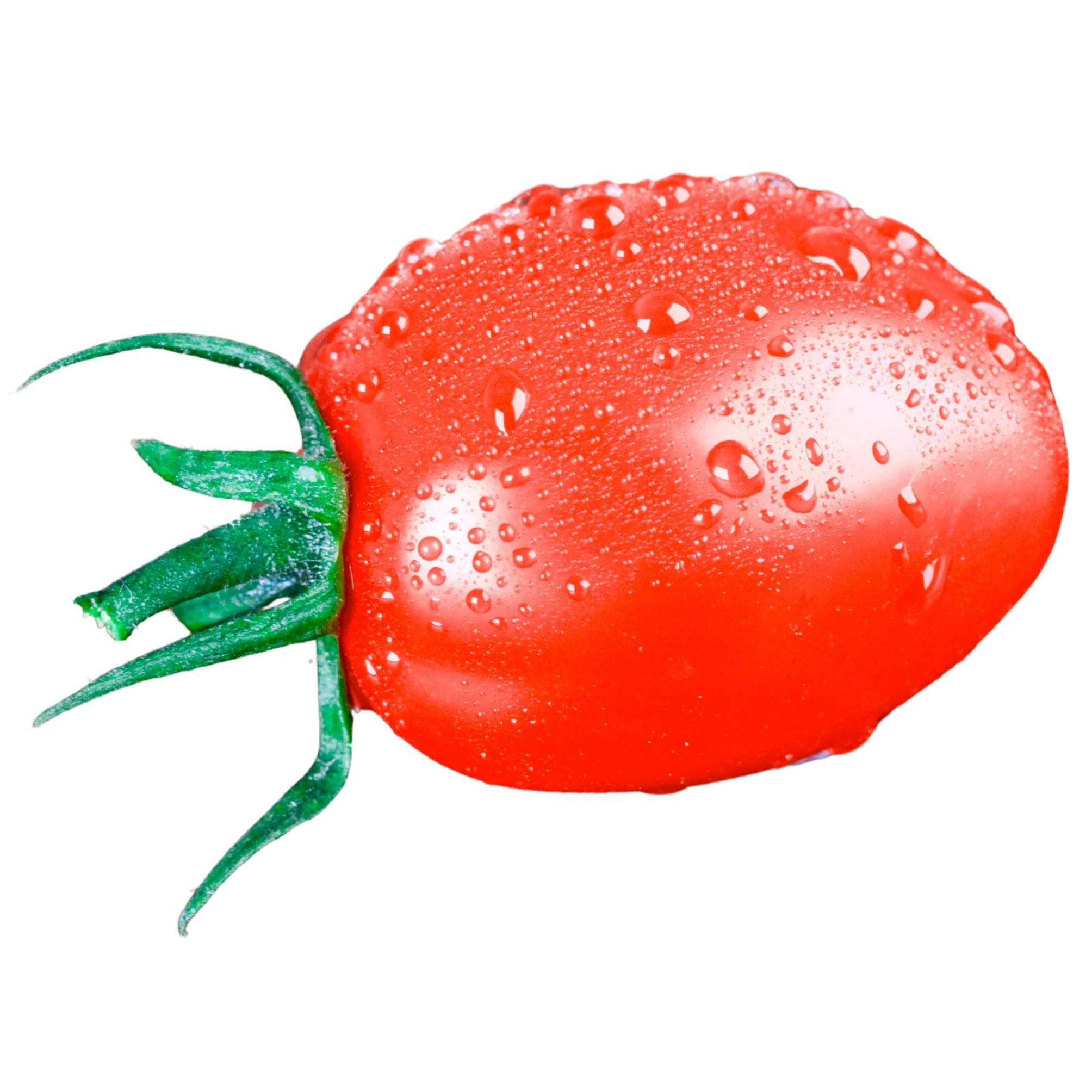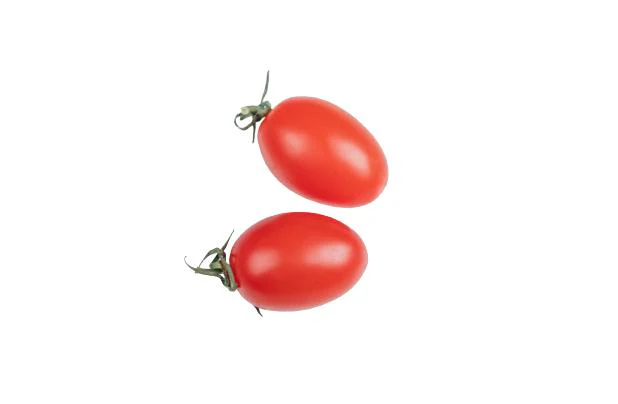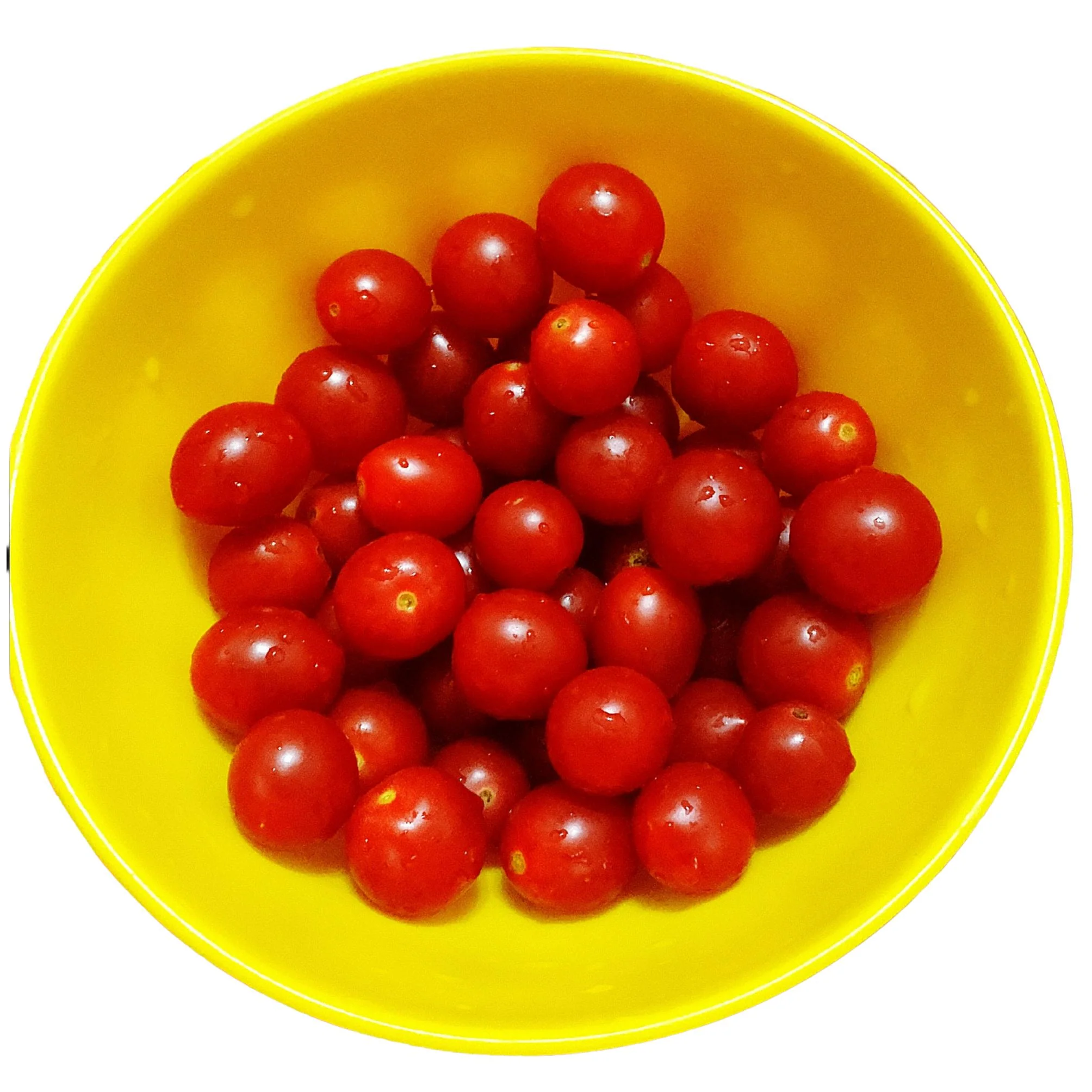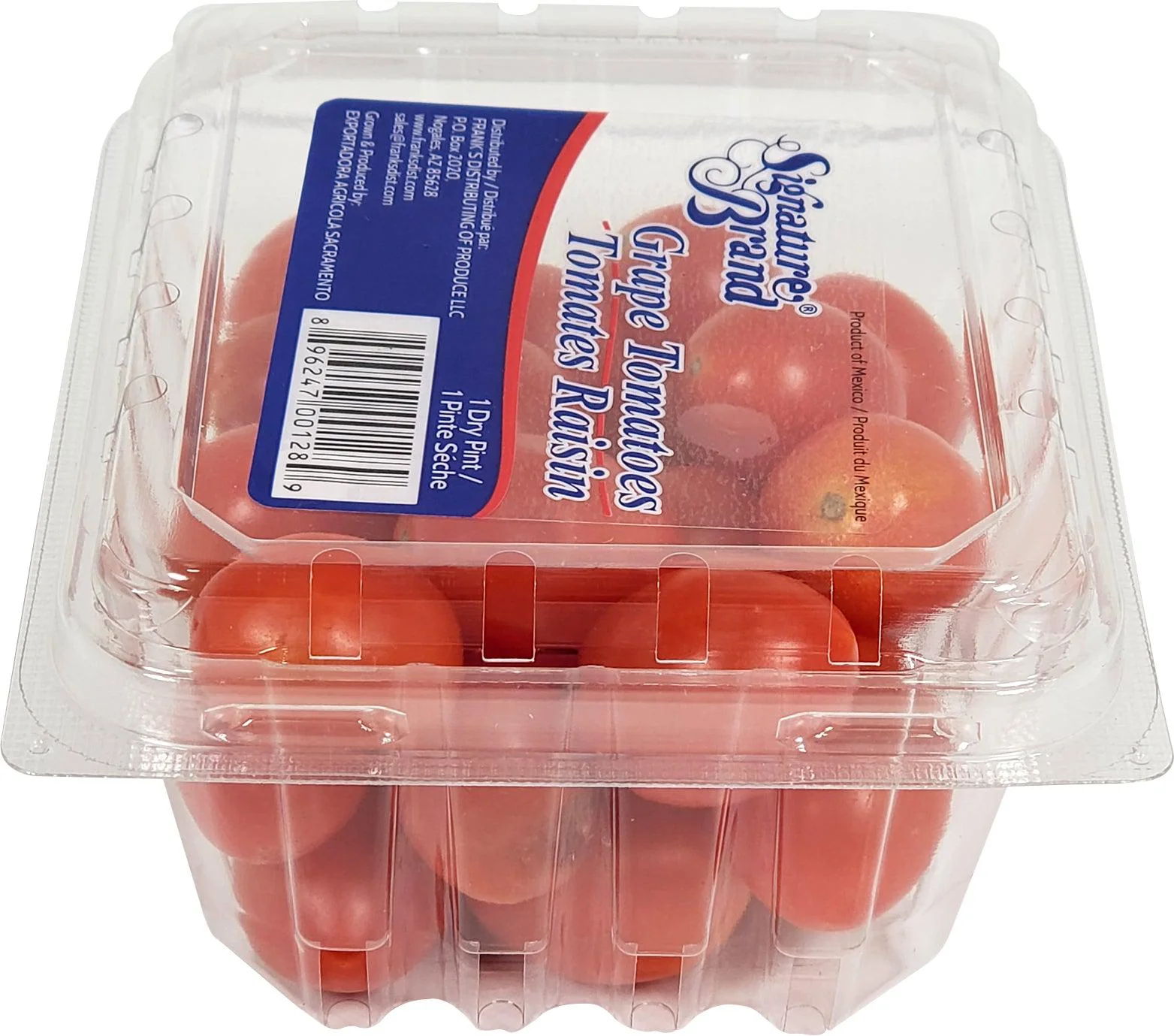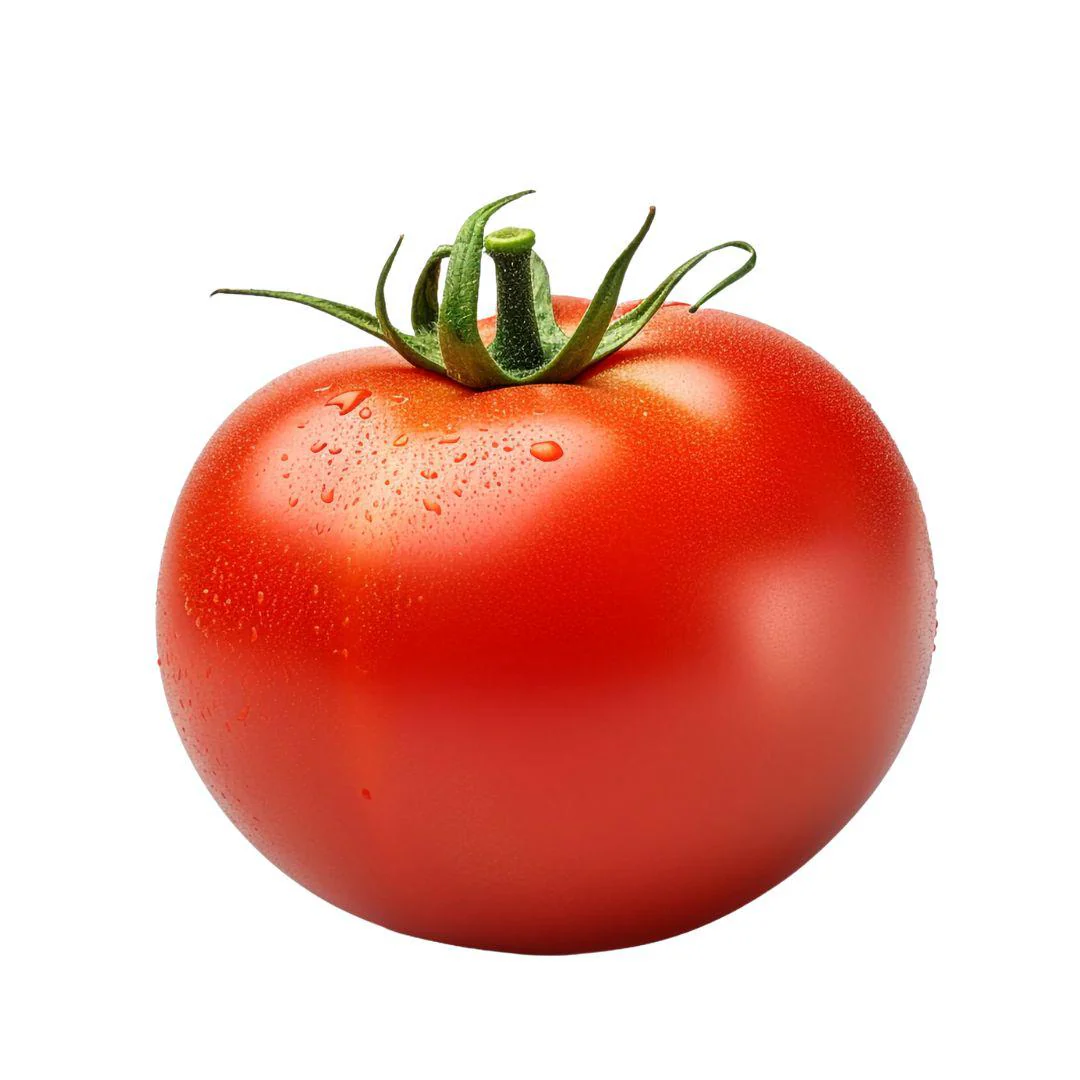
Fresh - Tomato - 5x6
Bulk Fresh 5x6 Tomatoes at Wholesale Price - Delivery Across GTA
Fresh tomatoes graded as 5x6 are available in 5 lb portions or 25 lb cases for commercial foodservice and retail operations. The 5x6 designation indicates medium-sized tomatoes, with approximately 5 to 6 tomatoes per pound. Delivery is available across GTA.
Common Commercial Applications
Restaurants, catering companies, institutional kitchens, and food service establishments use medium-sized fresh tomatoes for diverse menu applications and food preparation.
Typical users include:
- Full-service restaurants and casual dining establishments
- Quick-service restaurants and fast-food operations
- Catering companies handling events and banquet service
- Institutional kitchens in schools, hospitals, and corporate facilities
- Hotels and hospitality venues with food service operations
- Cafes and coffee shops offering sandwiches and light meals
- Food trucks and mobile food vendors
- Delis and sandwich shops
- Grocery stores and retail operations with prepared food sections
- Salad bars and buffet-style restaurants
Product Specifications and Characteristics
Size grade:
- 5x6 designation: 5-6 tomatoes per pound
- Medium-sized tomatoes
- Approximate diameter: 2.5 to 3 inches (size may vary)
- Individual tomato weight: approximately 2.5-3 ounces
Packaging options:
- 5 lb portions for smaller operations or varied inventory
- 25 lb cases for high-volume users and bulk purchasers
- Cases contain 5 individual 5 lb portions
Product characteristics:
- Fresh, whole tomatoes
- Vine-ripened or mature green depending on season and sourcing
- Firm texture suitable for slicing, dicing, and cooking applications
- Red colour typical of ripe tomatoes (shade varies by variety and ripeness)
Culinary Uses and Preparation
Medium-sized tomatoes serve multiple kitchen applications:
Fresh preparations:
- Salads and salad components
- Sandwich and burger toppings
- Garnishes and side vegetables
- Bruschetta and appetizers
- Salsas and fresh sauces
- Tomato platters and composed plates
Cooked applications:
- Sauces and pasta dishes
- Soups and stews
- Roasted or grilled preparations
- Stuffed tomato recipes
- Pizza toppings
- Braised dishes and casseroles
Processing options:
- Dicing for prep stations
- Slicing for sandwich assembly
- Chopping for cooking applications
- Pureeing for sauces
- Concassing (seeding and chopping)
Storage and Handling
Proper storage maintains tomato quality and extends usable life:
- Room temperature storage: Tomatoes continue ripening at room temperature (60-70°F / 15-21°C)
- Refrigeration: Slows ripening but may affect texture and flavour; use for fully ripe tomatoes needing extended storage
- Stem end up: Position reduces pressure on delicate blossom end
- Avoid stacking: Excessive weight can bruise lower tomatoes
- Separate from ethylene producers: Keep away from bananas and other high-ethylene fruits if slower ripening is desired
- Inspect regularly: Remove damaged or overripe tomatoes to prevent spoilage spread
Handling considerations:
- Gentle handling prevents bruising and damage
- Sort by ripeness for staged use
- Core and deseed as needed for specific recipes
- Proper knife skills ensure consistent cuts and reduce waste
Quality Indicators
When receiving fresh tomatoes, assess these characteristics:
Acceptable quality markers:
- Firm but slightly yielding to gentle pressure
- Smooth, unblemished skin
- Rich red colour for ripe tomatoes (or appropriate colour for ripeness stage)
- Fresh, pleasant tomato aroma
- Intact stem attachment point
Signs of quality concerns:
- Soft spots or excessive softness
- Wrinkled or shriveled skin
- Dark bruises or discolouration
- Mould growth
- Off-odours
Yield and Portion Planning
Understanding yield assists with ordering and cost calculations:
Approximate yields:
- 1 lb whole tomatoes = approximately 3-4 slices per tomato at 1/4 inch thickness
- 1 lb whole tomatoes = approximately 1.5 cups diced
- 1 lb whole tomatoes = approximately 1.25 cups chopped
- 25 lb case = approximately 125-150 whole tomatoes (5x6 grade)
Portion considerations:
- Sandwich/burger topping: 2-3 slices per serving
- Salad component: 1-2 oz (30-60 g) per serving
- Cooking applications: Calculate based on recipe requirements
Frequently Asked Questions
1. What does the 5x6 size designation mean?
The 5x6 grade indicates there are typically 5 to 6 tomatoes per pound. This represents a medium size category in commercial tomato grading.
2. How ripe are the tomatoes upon delivery?
Ripeness varies based on seasonal availability, sourcing, and delivery schedules. Tomatoes may arrive at various ripeness stages from mature green to fully ripe. Contact your supplier for specific ripeness expectations.
3. How long do fresh tomatoes last?
Shelf life depends on ripeness at receipt and storage conditions. Firm, slightly under-ripe tomatoes may last 7-10 days at room temperature. Fully ripe tomatoes have a shorter window of 3-5 days. Refrigeration extends storage but may affect texture.
4. Should I refrigerate tomatoes?
Refrigeration slows ripening and extends storage time but can affect flavour and texture. Many foodservice operations store under-ripe tomatoes at room temperature and refrigerate fully ripe tomatoes only when needed to extend their usable life by a few days.
5. Can I ripen tomatoes faster if needed?
Place tomatoes at room temperature in a paper bag or near ethylene-producing fruits to accelerate ripening. Avoid direct sunlight, which can cause uneven ripening.
6. What's the difference between 5x6 and other size grades?
Tomato sizes are designated by count-per-pound ranges. Smaller numbers (like 4x5) indicate larger tomatoes, while larger numbers (like 6x7) indicate smaller tomatoes. The 5x6 grade sits in the medium range.
7. Are these tomatoes organic?
Product specifications vary. Confirm organic status with your supplier if this is a requirement for your operation.
8. What variety of tomato is this?
Tomato varieties used for 5x6 grading vary by season, region, and supplier. Common commercial varieties include beefsteak-type, round, and hybrid tomatoes selected for flavour, durability, and consistency.
9. How should I wash tomatoes before use?
Rinse under cool running water and dry with clean towels or air dry. Avoid soaking, which can affect texture. Wash immediately before use rather than in advance to prevent moisture-related spoilage.
10. Can I freeze fresh tomatoes?
Fresh tomatoes can be frozen, though texture changes significantly upon thawing. Freezing works for tomatoes intended for cooked applications like sauces and soups. Blanching and peeling before freezing is common practice.
Businesses purchasing fresh 5x6 tomatoes should consider typical usage volume, storage capacity, and prep capabilities when selecting between 5 lb portions and 25 lb cases. The medium sizing provides versatility for varied menu applications, from sandwich toppings to cooked preparations. Proper receiving procedures, appropriate storage conditions, and quality monitoring help maximize yield and minimize waste across Canadian foodservice operations.
Bulk Fresh 5x6 Tomatoes at Wholesale Price - Delivery Across GTA
Fresh tomatoes graded as 5x6 are available in 5 lb portions or 25 lb cases for commercial foodservice and retail operations. The 5x6 designation indicates medium-sized tomatoes, with approximately 5 to 6 tomatoes per pound. Delivery is available across GTA.
Common Commercial Applications
Restaurants, catering companies, institutional kitchens, and food service establishments use medium-sized fresh tomatoes for diverse menu applications and food preparation.
Typical users include:
- Full-service restaurants and casual dining establishments
- Quick-service restaurants and fast-food operations
- Catering companies handling events and banquet service
- Institutional kitchens in schools, hospitals, and corporate facilities
- Hotels and hospitality venues with food service operations
- Cafes and coffee shops offering sandwiches and light meals
- Food trucks and mobile food vendors
- Delis and sandwich shops
- Grocery stores and retail operations with prepared food sections
- Salad bars and buffet-style restaurants
Product Specifications and Characteristics
Size grade:
- 5x6 designation: 5-6 tomatoes per pound
- Medium-sized tomatoes
- Approximate diameter: 2.5 to 3 inches (size may vary)
- Individual tomato weight: approximately 2.5-3 ounces
Packaging options:
- 5 lb portions for smaller operations or varied inventory
- 25 lb cases for high-volume users and bulk purchasers
- Cases contain 5 individual 5 lb portions
Product characteristics:
- Fresh, whole tomatoes
- Vine-ripened or mature green depending on season and sourcing
- Firm texture suitable for slicing, dicing, and cooking applications
- Red colour typical of ripe tomatoes (shade varies by variety and ripeness)
Culinary Uses and Preparation
Medium-sized tomatoes serve multiple kitchen applications:
Fresh preparations:
- Salads and salad components
- Sandwich and burger toppings
- Garnishes and side vegetables
- Bruschetta and appetizers
- Salsas and fresh sauces
- Tomato platters and composed plates
Cooked applications:
- Sauces and pasta dishes
- Soups and stews
- Roasted or grilled preparations
- Stuffed tomato recipes
- Pizza toppings
- Braised dishes and casseroles
Processing options:
- Dicing for prep stations
- Slicing for sandwich assembly
- Chopping for cooking applications
- Pureeing for sauces
- Concassing (seeding and chopping)
Storage and Handling
Proper storage maintains tomato quality and extends usable life:
- Room temperature storage: Tomatoes continue ripening at room temperature (60-70°F / 15-21°C)
- Refrigeration: Slows ripening but may affect texture and flavour; use for fully ripe tomatoes needing extended storage
- Stem end up: Position reduces pressure on delicate blossom end
- Avoid stacking: Excessive weight can bruise lower tomatoes
- Separate from ethylene producers: Keep away from bananas and other high-ethylene fruits if slower ripening is desired
- Inspect regularly: Remove damaged or overripe tomatoes to prevent spoilage spread
Handling considerations:
- Gentle handling prevents bruising and damage
- Sort by ripeness for staged use
- Core and deseed as needed for specific recipes
- Proper knife skills ensure consistent cuts and reduce waste
Quality Indicators
When receiving fresh tomatoes, assess these characteristics:
Acceptable quality markers:
- Firm but slightly yielding to gentle pressure
- Smooth, unblemished skin
- Rich red colour for ripe tomatoes (or appropriate colour for ripeness stage)
- Fresh, pleasant tomato aroma
- Intact stem attachment point
Signs of quality concerns:
- Soft spots or excessive softness
- Wrinkled or shriveled skin
- Dark bruises or discolouration
- Mould growth
- Off-odours
Yield and Portion Planning
Understanding yield assists with ordering and cost calculations:
Approximate yields:
- 1 lb whole tomatoes = approximately 3-4 slices per tomato at 1/4 inch thickness
- 1 lb whole tomatoes = approximately 1.5 cups diced
- 1 lb whole tomatoes = approximately 1.25 cups chopped
- 25 lb case = approximately 125-150 whole tomatoes (5x6 grade)
Portion considerations:
- Sandwich/burger topping: 2-3 slices per serving
- Salad component: 1-2 oz (30-60 g) per serving
- Cooking applications: Calculate based on recipe requirements
Frequently Asked Questions
1. What does the 5x6 size designation mean?
The 5x6 grade indicates there are typically 5 to 6 tomatoes per pound. This represents a medium size category in commercial tomato grading.
2. How ripe are the tomatoes upon delivery?
Ripeness varies based on seasonal availability, sourcing, and delivery schedules. Tomatoes may arrive at various ripeness stages from mature green to fully ripe. Contact your supplier for specific ripeness expectations.
3. How long do fresh tomatoes last?
Shelf life depends on ripeness at receipt and storage conditions. Firm, slightly under-ripe tomatoes may last 7-10 days at room temperature. Fully ripe tomatoes have a shorter window of 3-5 days. Refrigeration extends storage but may affect texture.
4. Should I refrigerate tomatoes?
Refrigeration slows ripening and extends storage time but can affect flavour and texture. Many foodservice operations store under-ripe tomatoes at room temperature and refrigerate fully ripe tomatoes only when needed to extend their usable life by a few days.
5. Can I ripen tomatoes faster if needed?
Place tomatoes at room temperature in a paper bag or near ethylene-producing fruits to accelerate ripening. Avoid direct sunlight, which can cause uneven ripening.
6. What's the difference between 5x6 and other size grades?
Tomato sizes are designated by count-per-pound ranges. Smaller numbers (like 4x5) indicate larger tomatoes, while larger numbers (like 6x7) indicate smaller tomatoes. The 5x6 grade sits in the medium range.
7. Are these tomatoes organic?
Product specifications vary. Confirm organic status with your supplier if this is a requirement for your operation.
8. What variety of tomato is this?
Tomato varieties used for 5x6 grading vary by season, region, and supplier. Common commercial varieties include beefsteak-type, round, and hybrid tomatoes selected for flavour, durability, and consistency.
9. How should I wash tomatoes before use?
Rinse under cool running water and dry with clean towels or air dry. Avoid soaking, which can affect texture. Wash immediately before use rather than in advance to prevent moisture-related spoilage.
10. Can I freeze fresh tomatoes?
Fresh tomatoes can be frozen, though texture changes significantly upon thawing. Freezing works for tomatoes intended for cooked applications like sauces and soups. Blanching and peeling before freezing is common practice.
Businesses purchasing fresh 5x6 tomatoes should consider typical usage volume, storage capacity, and prep capabilities when selecting between 5 lb portions and 25 lb cases. The medium sizing provides versatility for varied menu applications, from sandwich toppings to cooked preparations. Proper receiving procedures, appropriate storage conditions, and quality monitoring help maximize yield and minimize waste across Canadian foodservice operations.
Description
Bulk Fresh 5x6 Tomatoes at Wholesale Price - Delivery Across GTA
Fresh tomatoes graded as 5x6 are available in 5 lb portions or 25 lb cases for commercial foodservice and retail operations. The 5x6 designation indicates medium-sized tomatoes, with approximately 5 to 6 tomatoes per pound. Delivery is available across GTA.
Common Commercial Applications
Restaurants, catering companies, institutional kitchens, and food service establishments use medium-sized fresh tomatoes for diverse menu applications and food preparation.
Typical users include:
- Full-service restaurants and casual dining establishments
- Quick-service restaurants and fast-food operations
- Catering companies handling events and banquet service
- Institutional kitchens in schools, hospitals, and corporate facilities
- Hotels and hospitality venues with food service operations
- Cafes and coffee shops offering sandwiches and light meals
- Food trucks and mobile food vendors
- Delis and sandwich shops
- Grocery stores and retail operations with prepared food sections
- Salad bars and buffet-style restaurants
Product Specifications and Characteristics
Size grade:
- 5x6 designation: 5-6 tomatoes per pound
- Medium-sized tomatoes
- Approximate diameter: 2.5 to 3 inches (size may vary)
- Individual tomato weight: approximately 2.5-3 ounces
Packaging options:
- 5 lb portions for smaller operations or varied inventory
- 25 lb cases for high-volume users and bulk purchasers
- Cases contain 5 individual 5 lb portions
Product characteristics:
- Fresh, whole tomatoes
- Vine-ripened or mature green depending on season and sourcing
- Firm texture suitable for slicing, dicing, and cooking applications
- Red colour typical of ripe tomatoes (shade varies by variety and ripeness)
Culinary Uses and Preparation
Medium-sized tomatoes serve multiple kitchen applications:
Fresh preparations:
- Salads and salad components
- Sandwich and burger toppings
- Garnishes and side vegetables
- Bruschetta and appetizers
- Salsas and fresh sauces
- Tomato platters and composed plates
Cooked applications:
- Sauces and pasta dishes
- Soups and stews
- Roasted or grilled preparations
- Stuffed tomato recipes
- Pizza toppings
- Braised dishes and casseroles
Processing options:
- Dicing for prep stations
- Slicing for sandwich assembly
- Chopping for cooking applications
- Pureeing for sauces
- Concassing (seeding and chopping)
Storage and Handling
Proper storage maintains tomato quality and extends usable life:
- Room temperature storage: Tomatoes continue ripening at room temperature (60-70°F / 15-21°C)
- Refrigeration: Slows ripening but may affect texture and flavour; use for fully ripe tomatoes needing extended storage
- Stem end up: Position reduces pressure on delicate blossom end
- Avoid stacking: Excessive weight can bruise lower tomatoes
- Separate from ethylene producers: Keep away from bananas and other high-ethylene fruits if slower ripening is desired
- Inspect regularly: Remove damaged or overripe tomatoes to prevent spoilage spread
Handling considerations:
- Gentle handling prevents bruising and damage
- Sort by ripeness for staged use
- Core and deseed as needed for specific recipes
- Proper knife skills ensure consistent cuts and reduce waste
Quality Indicators
When receiving fresh tomatoes, assess these characteristics:
Acceptable quality markers:
- Firm but slightly yielding to gentle pressure
- Smooth, unblemished skin
- Rich red colour for ripe tomatoes (or appropriate colour for ripeness stage)
- Fresh, pleasant tomato aroma
- Intact stem attachment point
Signs of quality concerns:
- Soft spots or excessive softness
- Wrinkled or shriveled skin
- Dark bruises or discolouration
- Mould growth
- Off-odours
Yield and Portion Planning
Understanding yield assists with ordering and cost calculations:
Approximate yields:
- 1 lb whole tomatoes = approximately 3-4 slices per tomato at 1/4 inch thickness
- 1 lb whole tomatoes = approximately 1.5 cups diced
- 1 lb whole tomatoes = approximately 1.25 cups chopped
- 25 lb case = approximately 125-150 whole tomatoes (5x6 grade)
Portion considerations:
- Sandwich/burger topping: 2-3 slices per serving
- Salad component: 1-2 oz (30-60 g) per serving
- Cooking applications: Calculate based on recipe requirements
Frequently Asked Questions
1. What does the 5x6 size designation mean?
The 5x6 grade indicates there are typically 5 to 6 tomatoes per pound. This represents a medium size category in commercial tomato grading.
2. How ripe are the tomatoes upon delivery?
Ripeness varies based on seasonal availability, sourcing, and delivery schedules. Tomatoes may arrive at various ripeness stages from mature green to fully ripe. Contact your supplier for specific ripeness expectations.
3. How long do fresh tomatoes last?
Shelf life depends on ripeness at receipt and storage conditions. Firm, slightly under-ripe tomatoes may last 7-10 days at room temperature. Fully ripe tomatoes have a shorter window of 3-5 days. Refrigeration extends storage but may affect texture.
4. Should I refrigerate tomatoes?
Refrigeration slows ripening and extends storage time but can affect flavour and texture. Many foodservice operations store under-ripe tomatoes at room temperature and refrigerate fully ripe tomatoes only when needed to extend their usable life by a few days.
5. Can I ripen tomatoes faster if needed?
Place tomatoes at room temperature in a paper bag or near ethylene-producing fruits to accelerate ripening. Avoid direct sunlight, which can cause uneven ripening.
6. What's the difference between 5x6 and other size grades?
Tomato sizes are designated by count-per-pound ranges. Smaller numbers (like 4x5) indicate larger tomatoes, while larger numbers (like 6x7) indicate smaller tomatoes. The 5x6 grade sits in the medium range.
7. Are these tomatoes organic?
Product specifications vary. Confirm organic status with your supplier if this is a requirement for your operation.
8. What variety of tomato is this?
Tomato varieties used for 5x6 grading vary by season, region, and supplier. Common commercial varieties include beefsteak-type, round, and hybrid tomatoes selected for flavour, durability, and consistency.
9. How should I wash tomatoes before use?
Rinse under cool running water and dry with clean towels or air dry. Avoid soaking, which can affect texture. Wash immediately before use rather than in advance to prevent moisture-related spoilage.
10. Can I freeze fresh tomatoes?
Fresh tomatoes can be frozen, though texture changes significantly upon thawing. Freezing works for tomatoes intended for cooked applications like sauces and soups. Blanching and peeling before freezing is common practice.
Businesses purchasing fresh 5x6 tomatoes should consider typical usage volume, storage capacity, and prep capabilities when selecting between 5 lb portions and 25 lb cases. The medium sizing provides versatility for varied menu applications, from sandwich toppings to cooked preparations. Proper receiving procedures, appropriate storage conditions, and quality monitoring help maximize yield and minimize waste across Canadian foodservice operations.